Դա b-a-a-a-ck! Սարգասումը անակնկալ վերադարձ է կատարում Կանկունում վերջին մրցաշրջանում
Ընտրեք ցուցադրվող լեզուն
Այն պահին, երբ փորձագետները կարծում էին, որ Մեքսիկայի 2025 թվականի սարգասումի սեզոնն ավարտված է, ջրիմուռները վրեժխնդրությամբ վերադարձան՝ կրկին ծածկելով Կանկունի լողափերը, երկուշաբթի օրը հայտնել են տեղական իշխանությունները:
Ծովային ջրիմուռները հիմնականում լվացվել են Կանկունի հյուրանոցային գոտու 1-ից 3 կիլոմետրերի միջև, ինչպես նաև Պուերտո Խուարեսի Playa del Niño-ում, ըստ քաղաքային հանրային ծառայությունների տնօրեն Խոսե Անտոնիո դե լա Տորեի: Թվում էր, թե խնդիրը սահմանափակված էր միայն այդ տարածքներով, և քաղաքապետարանի բրիգադները հսկում էին քաղաքի մյուս լողափերը՝ կանխելու սարգասումի հետագա տարածումը:
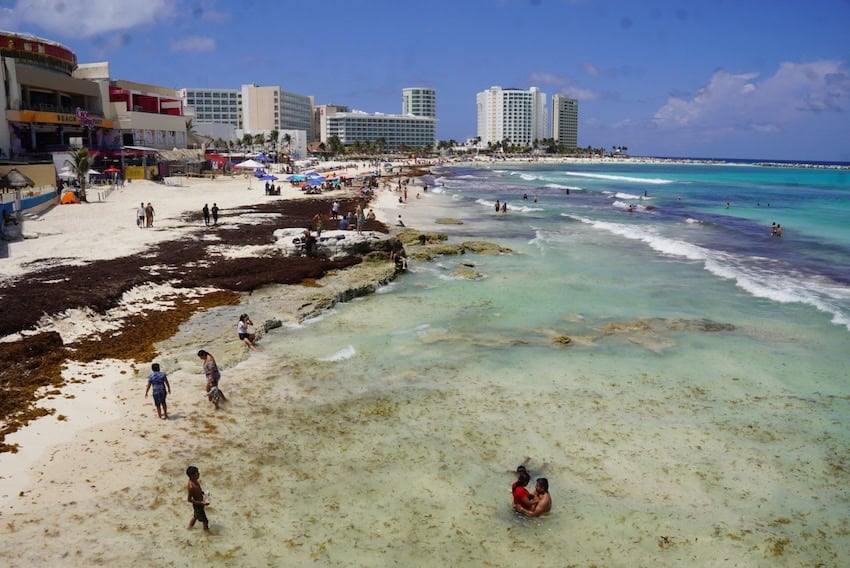
Սարգասումը բազմապատկվել է վերջին տասնամյակների ընթացքում, երբ ծովի ջերմաստիճանը բարձրանում է: Բացի անհրապույր լինելուց, քայքայվող ջրիմուռները գոլորշի են արձակում, որոնք կարող են առաջացնել շնչառական օրգանների գրգռում։ Լուսանկարում՝ Կառավարական լողափերի մաքրում հունիսին: (Էլիզաբեթ Ռուիս/Կուարտոսկուրո)
Ուշ լվացումը զարմացրել է իշխանություններին, քանի որ փորձագետները զարմացրել ենհայտարարեցհոկտեմբերին Մեքսիկայի սարգասումի սեզոնի հավանական ավարտը, քանի որ սպասվում էր, որ ավելի ցուրտ եղանակը կնվազեցնի ծովի ջերմաստիճանը և կկանխի ջրիմուռների ժամանումը:
«Հոսանքները փոխվում են… շարժվելով դեպի հյուսիս, հարավ-արևելյան քամիները նվազել են, և այժմ ծովում շատ քիչ սարգասում կա», - հոկտեմբերի սկզբին ասաց Quintana Roo Sargassum մոնիտորինգի համակարգի տնօրեն Էստեբան Ամարոն: «Վերջին երկու շաբաթվա ընթացքում ժամանումները զգալիորեն նվազել են, ինչը հուշում է, որ սեզոնը գրեթե ավարտված է»:
Բնությունը, սակայն, այլ պատկերացումներ ուներ.
Թեև սպասվում էր, որ ավելի ցածր ջերմաստիճանը կօգնի, բևեռային օդի ժամանումը, հյուսիսային քամու և բարձր ալիքների հետ միասին, պայմաններ ստեղծեցին Մեքսիկայի ափերի երկայնքով ավելի շատ ջրիմուռների համար:
Փորձագետները կարող էին զարմացած լինել, բայց մաքրման բրիգադները կարծես թե լավ պատրաստված էին: Նրանք օգտագործել են թեթև մեքենաներ և բեռնատարներ՝ սարգասումը վերջնական ոչնչացման համար լիազորված վայր տեղափոխելու համար։
Հյուրանոցների սեփականատերերի հետ համակարգումը հնարավորություն տվեց արագ և արդյունավետ կերպով իրականացնել մաքրման աշխատանքներ ոչ պիկ ժամերին՝ զբոսաշրջիկներին և տեղացիներին թույլ տալով օգտվել լողափերից՝ առանց զգայական կամ առողջական լուրջ խնդիրների:
Some beaches at Cancún, shown here during the summer when sargassum was a common sight, experienced a return of the noxious seaweed, though it was cleared away quickly by municipal crews and hotel personnel. (Elizabeth Ruiz/Cuartoscuro.com)
Just as experts thought Mexico’s 2025 sargassum season was over, the seaweed came back with a vengeance, covering beaches in Cancún once again, local authorities reported on Monday.
Seaweed washed up mainly between kilometers 1 and 3 of Cancún’s Hotel Zone, as well as on Playa del Niño in Puerto Juárez, according to the director of municipal public services, José Antonio de la Torre. The problem seemed limited to those areas, and municipal crews kept watch on other beaches in the city to prevent the further spread of the sargassum.
Sargassum has multiplied in recent decades as sea temperatures rise. Besides being unsightly, the decomposing seaweed releases fumes that can cause respiratory irritation. Pictured: A government beach cleanup in June. (Elizabeth Ruiz/Cuartoscuro)
The late wash-up took authorities by surprise because experts had announced a likely end to Mexico’s sargassum season in October, as colder weather was expected to lower sea temperatures and prevent seaweed arrivals.
“The currents are changing … moving north, the southeasterly winds have decreased and there’s very little sargassum in the sea now,” Esteban Amaro, director of the Quintana Roo Sargassum Monitoring System, said in early October. “Arrivals have dropped significantly in the past two weeks, suggesting the season is almost over.”
Nature, however, had other ideas.
Though cooler temperatures were expected to help, the arrival of polar air, along with northerly wind and high waves, created conditions for more seaweed to wash up along the Mexican coast.
The experts may have been surprised but the clean-up crews seemed well-prepared. They used light machinery and trucks to transport the sargassum to the authorized site for final disposal.
Coordination with hotel owners made it possible to carry out cleanup efforts quickly and effectively during off-peak hours, allowing tourists and locals to use the beaches without major sensory or health issues.
“The cleanup operation began in the early morning to prevent accumulations and unpleasant odors in recreational areas and hotels,” stated De la Torre
The municipality is now expected to close the season with over 16,500 tons of sargassum collected, far higher than the 2024 level of 3,000 tons, De la Torre reported. The increase has been attributed to climate variations and changes in ocean currents.


Մեկնաբանություններ